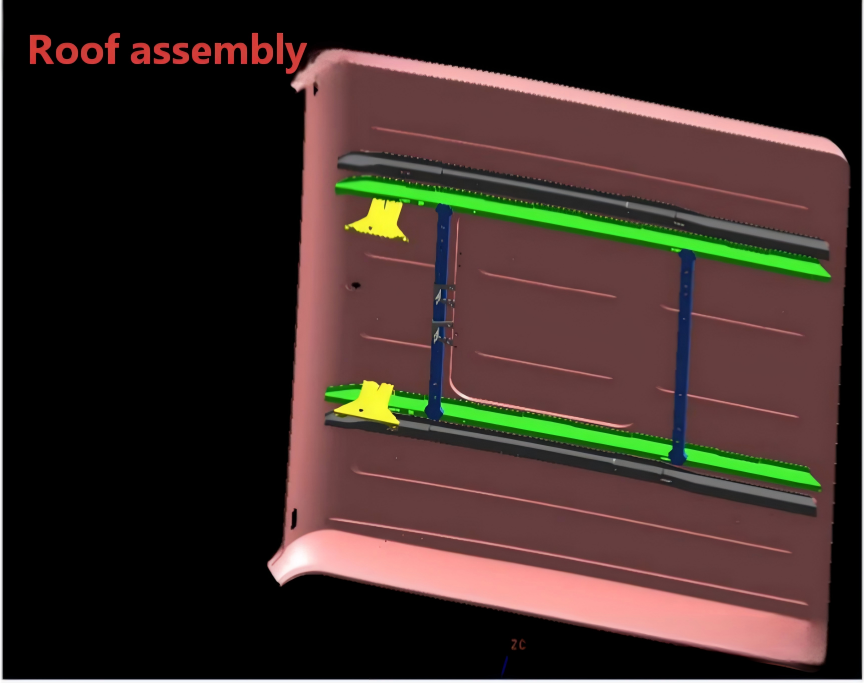
For heavy-duty trucks, the cab is undoubtedly a key selling point. As the "face" of the vehicle and the driver’s workplace, it plays a decisive role in customers’ purchasing decisions.
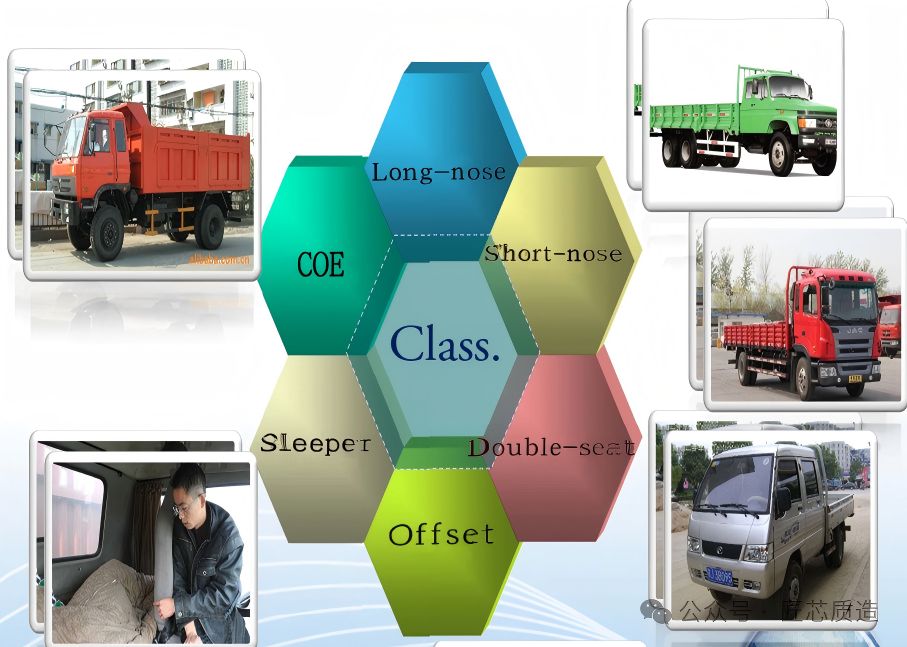
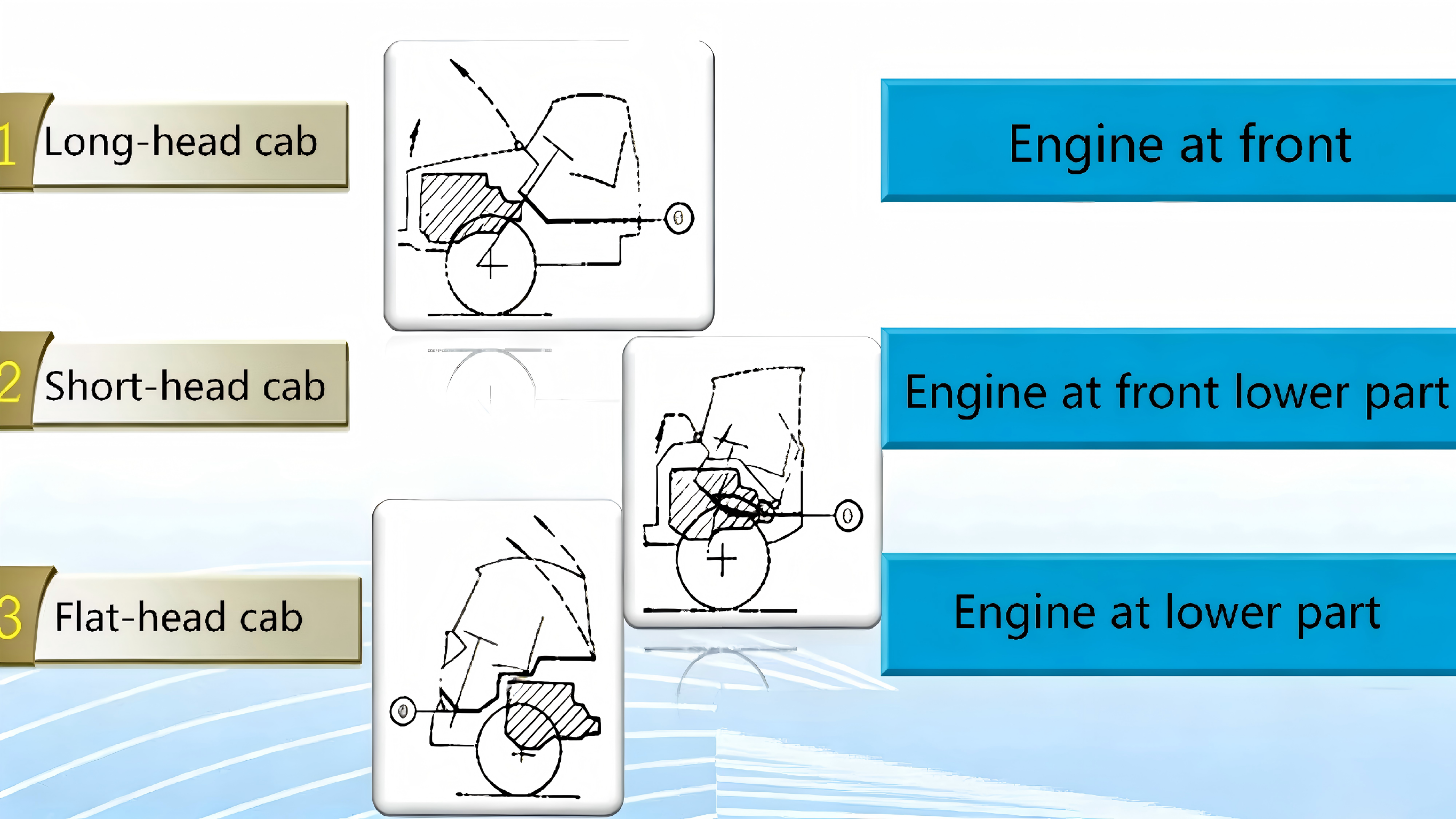
The offset cab is positioned to one side of the engine, serving as a variant of either the cab-over-engine or conventional cab.
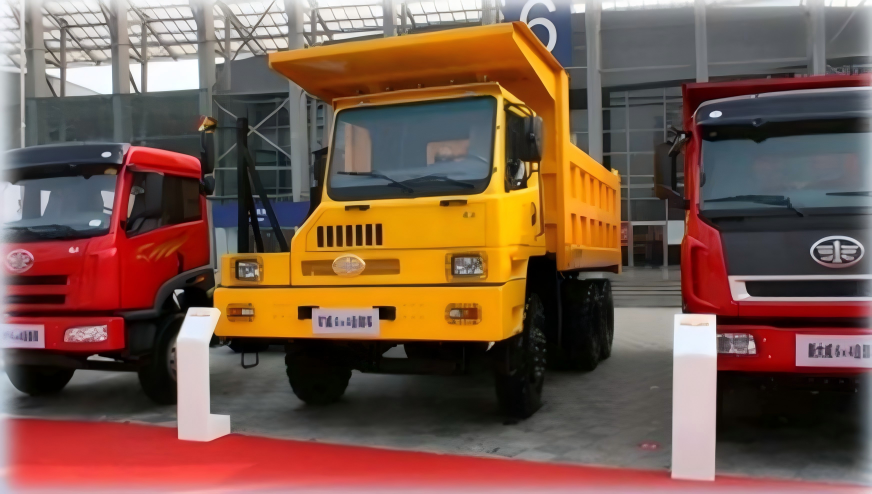
The vast majority of commercial truck cabs in China adopt a cab-over-engine design, which is further divided into high-roof, flat-roof, and mid-roof/semi-high-roof cabs.
Appearance Features: The roof is significantly raised and reinforced, usually equipped with side deflectors that align with the height of the cargo box, giving the vehicle a robust and imposing look.
Core Advantages:
-
Spacious interior: Typically designed with double bunks, where both the upper and lower bunks offer superior width and length, creating a comfortable resting space for two drivers on long-haul routes.
-
Enhanced comfort: Drivers can stand upright inside the cab, making it convenient to change clothes and stretch, which greatly improves living comfort during long drives.
-
Ample storage: Abundant storage compartments and bins are built into the rear and roof of the cab, providing sufficient space for luggage, tools, daily necessities, and other onboard items.
Main Application Scenarios: Long-haul trunk logistics, especially in sectors with high time sensitivity that require two drivers to take turns—such as express delivery, freight forwarding, and cold chain transportation.
For example, mainstream heavy-duty truck models like FAW J7, Dongfeng Tianlong Flagship, Sinotruk Yellow River, and Foton Auman EST all feature high-roof cabs as their standard configuration for long-haul logistics versions.
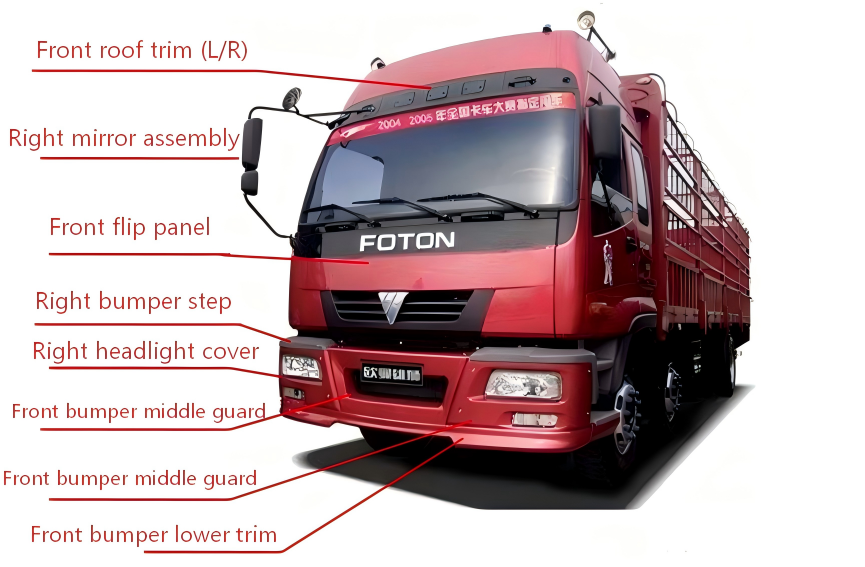
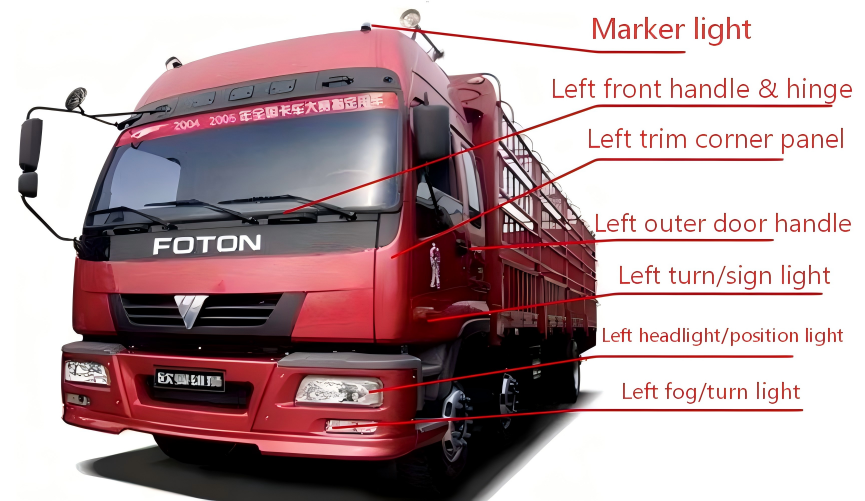
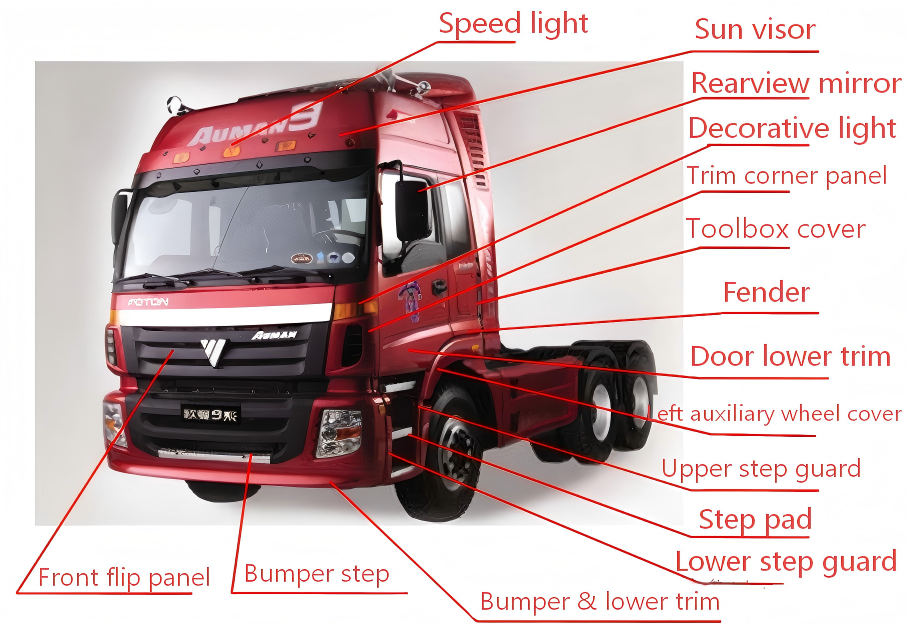
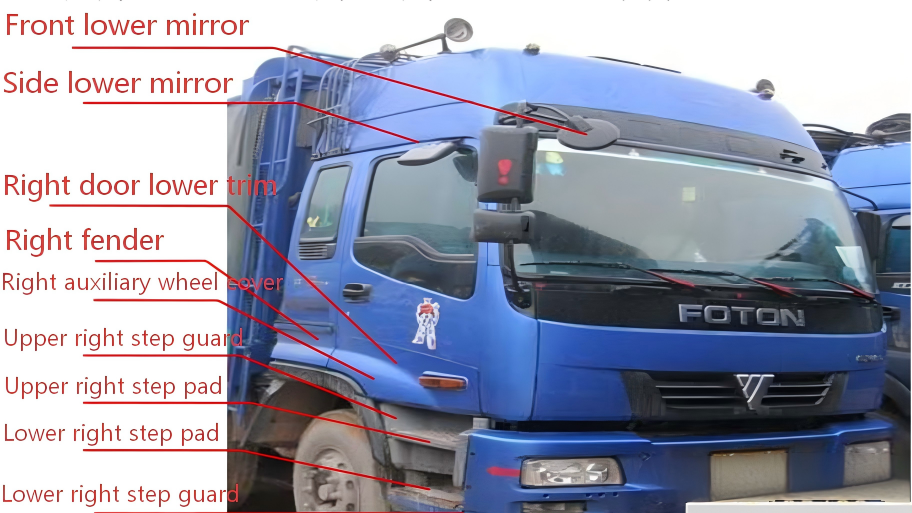
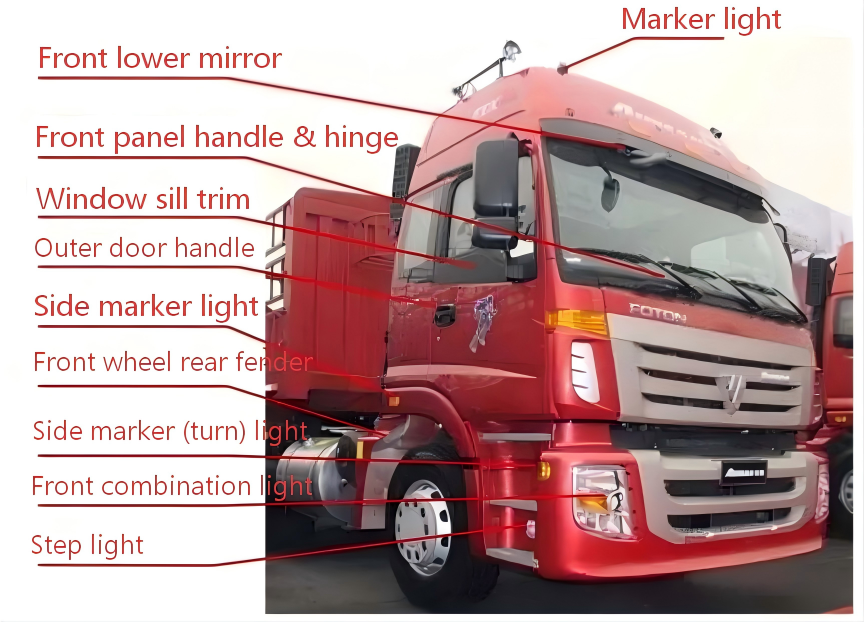
Appearance Features: The roof is flat without any obvious raised sections, resulting in a relatively low overall height.
Core Advantages:
- Lightweight & simple structure: Its simplified design reduces vehicle weight, enabling higher payload capacity.
- Superior stability: The low center of gravity enhances driving stability, especially on rough roads.
- Excellent passability: The reduced overall height allows easy clearance under height restrictions, warehouse doors, and construction site gantries.
- Cost-effective manufacturing: The straightforward structure simplifies production processes.
Main Application Scenarios: Special-purpose vehicles operating in construction sites and urban areas, such as engineering trucks, dump trucks, concrete mixers, and sanitation vehicles. These scenarios prioritize passability and stability over bunk size and standing space, so the cabs are usually single-row or extended-cab designs.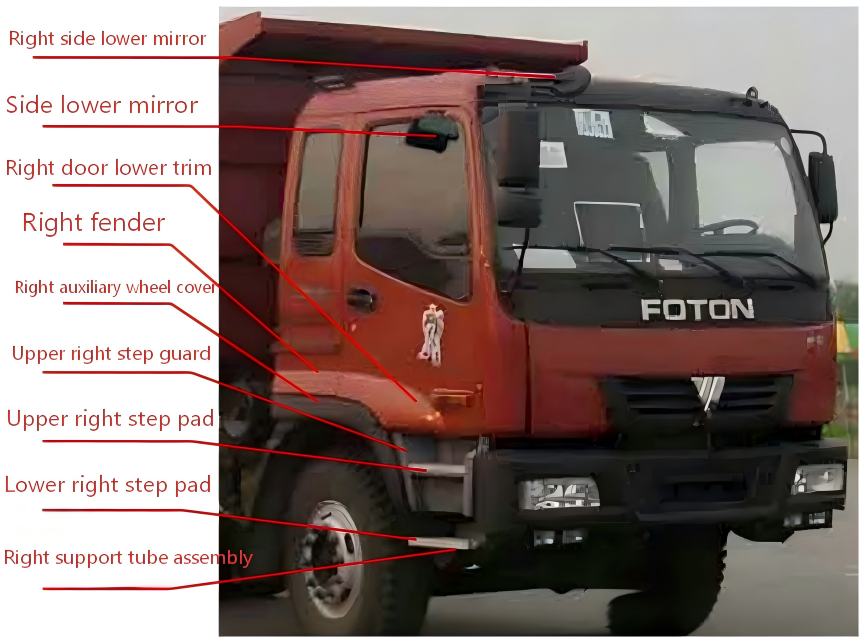
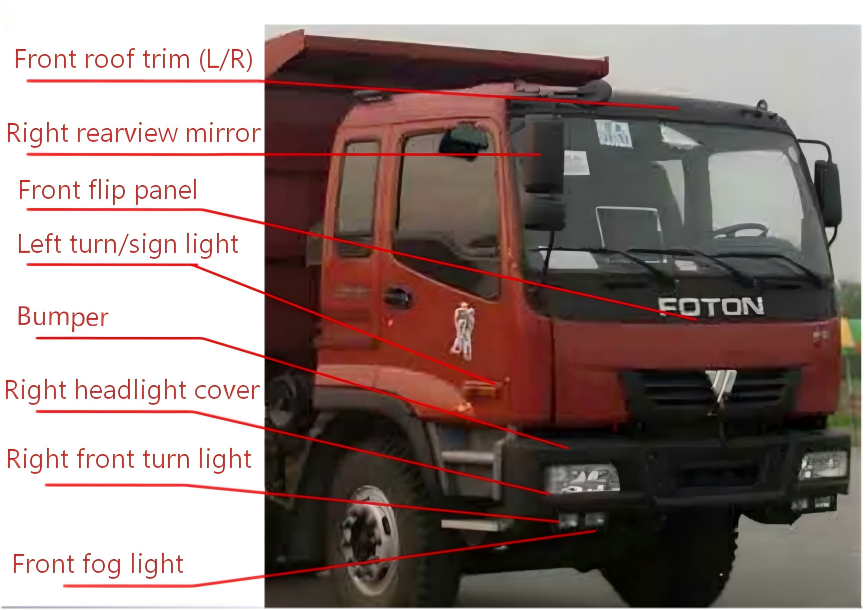
Appearance Features: With a height between high-roof and flat-roof models, it can be regarded as a "compact high-roof" option.
Core Advantages:
- Balanced design: It strikes a perfect balance between interior space and passability.
- Moderate space: More roomy than flat-roof cabs, it usually comes with double bunks—though the bunk width and standing comfort are slightly inferior to full-size high-roof versions.
- Improved passability: Its overall height is less extreme than high-roof cabs, ensuring better maneuverability in restricted-height areas.
Main Application Scenarios: Medium-and short-haul logistics, regional distribution, and general cargo trucks. These tasks may require two drivers or occasional overnight stays in the cab, without demanding the maximum interior space or passability.